The Enduring Allure of the Diamond Ring
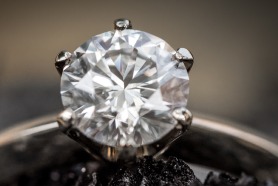
For centuries, the diamond ring has stood as an unparalleled symbol of love, commitment, and enduring beauty. From ancient vows to modern declarations of affection, its sparkle has captivated hearts and signified momentous occasions. This article delves into the rich history, intricate characteristics, diverse styles, and essential considerations for choosing the perfect diamond ring or 鑽石戒指, highlighting why it remains a cherished emblem across cultures and generations.
The Storied History of Diamond Rings
The tradition of giving and wearing rings dates back thousands of years, but the diamond’s role as a symbol of eternal love gained prominence much later. The first well-documented instance of a diamond engagement ring was in 1477, when Archduke Maximilian of Austria proposed to Mary of Burgundy with a ring set with diamonds arranged in the shape of an “M.” This act sparked a trend among European aristocracy, solidifying the diamond’s place in matrimonial rituals.
However, it was the 20th century that truly cemented the diamond ring’s or 鑽石戒指 iconic status. With the discovery of vast diamond mines in South Africa and strategic marketing campaigns, notably De Beers’ enduring slogan “A Diamond Is Forever” launched in 1947, diamonds became accessible to a wider audience. This campaign ingeniously linked the diamond’s inherent durability to the eternal nature of marriage, transforming it into a universal symbol of unwavering commitment and love. Today, the diamond ring transcends its historical roots, evolving with contemporary tastes while retaining its profound significance.
Understanding the 4 Cs: The Foundation of Diamond Quality
When selecting a diamond ring or 鑽石戒指, understanding the “4 Cs” – Cut, Color, Clarity, and Carat – is paramount. These four characteristics universally determine a diamond’s quality and value.
Cut: The Sparkle Factor
Often considered the most crucial of the 4 Cs, the cut refers not to the diamond’s shape (e.g., round, princess), but to how well its facets interact with light. A well-cut diamond maximizes brilliance (white light reflection), fire (dispersion of light into colors), and scintillation (the sparkle and flashes of light). An expertly cut diamond, even with slight imperfections in color or clarity, can appear breathtakingly vibrant. Grades range from Excellent/Ideal to Poor, with higher grades indicating superior light performance.
Color: The Absence of Tint
Diamond color is graded on a scale from D (colorless) to Z (light yellow or brown). The less color a diamond possesses, the rarer and more valuable it typically is. While a truly colorless “D” diamond is highly prized, diamonds in the G-J range often appear colorless to the naked eye, especially when set in white gold or platinum, offering an excellent balance of beauty and value.
Clarity: The Purity of the Stone
Clarity refers to the absence of inclusions (internal imperfections) and blemishes (external imperfections). Graded from Flawless (FL) to Included (I3), most diamonds have some natural characteristics, which are often microscopic and don’t affect the diamond’s beauty. An “eye-clean” diamond, where inclusions are not visible without magnification, is generally desired and can often be found in the VS (Very Slightly Included) or SI (Slightly Included) ranges, providing value without compromising visual appeal.
Carat: The Weight of the Diamond
Carat is the unit of weight for a diamond, with one carat equaling 200 milligrams. While a higher carat weight generally correlates with a larger diamond and higher price, it’s essential to remember that size alone doesn’t dictate beauty. A smaller, well-cut diamond can often appear more brilliant and impressive than a larger, poorly cut one. The ideal carat weight depends on personal preference, budget, and how the diamond appears in its setting.
Popular Diamond Ring Settings and Styles
The setting of a diamond ring plays a significant role in its overall aesthetic and how the diamond is showcased.
- Solitaire: The classic and timeless choice, featuring a single diamond set on a plain band. This setting allows the diamond to be the undisputed focal point, maximizing its brilliance.
- Pavé: Characterized by a band encrusted with small, closely set diamonds, creating a continuous sparkle that enhances the center stone.
- Halo: A design where a central diamond is encircled by a border of smaller diamonds. This setting can make the center stone appear larger and adds extra sparkle.
- Three-Stone: Symbolizing the past, present, and future, this setting features a central diamond flanked by two smaller diamonds.
- Bezel: The diamond is fully or partially encircled by a metal rim, offering a secure and modern look while protecting the diamond’s girdle.
- Channel: Diamonds are set within a groove in the band, flush with the metal, providing a smooth and secure design, often seen in wedding bands.
- Tension: A contemporary setting where the diamond appears to be suspended between two sides of the band, held in place by the tension of the metal.
Beyond settings, current trends often feature elongated stones like oval, emerald, and marquise cuts, mixed metals, sculptural designs, and a continued emphasis on ethical sourcing and customization.
The Importance of Ethical Sourcing
In today’s world, the origin of a diamond is as important as its quality. Ethical sourcing ensures that diamonds are mined and processed under responsible labor practices, without human rights abuses, and with minimal environmental impact. The Kimberley Process Certification Scheme is a widely recognized international certification system that aims to prevent the flow of conflict diamonds. Many reputable jewelers also go beyond this, providing transparent supply chains and supporting initiatives that benefit mining communities. Lab-grown diamonds offer an alternative that is physically and chemically identical to mined diamonds but are created in controlled environments, providing a conflict-free and often more sustainable option.
Choosing Your Perfect Diamond Ring
Selecting a diamond ring or 鑽石戒指 is a deeply personal journey. Here are key steps to guide you:
- Set a Budget: Determine a comfortable spending range to narrow down your options effectively.
- Research the 4 Cs: Understand how cut, color, clarity, and carat impact a diamond’s beauty and value. Prioritize what matters most to you (e.g., maximizing sparkle with an excellent cut, or achieving a certain carat weight).
- Choose a Shape: Consider the recipient’s personal style and preferences. Round brilliant remains the most popular, but fancy shapes offer unique character.
- Select a Setting: The setting should complement the diamond and the wearer’s lifestyle. Consider durability, security, and aesthetic appeal.
- Verify Certification: Always ensure the diamond comes with a reputable grading report from independent laboratories like GIA (Gemological Institute of America) or AGS (American Gem Society), which provides an unbiased assessment of the 4 Cs.
- Consider Ethical Sourcing: Inquire about the diamond’s origin and the retailer’s commitment to ethical practices.
Tingdiamond.com: Your Premier Platform for Diamond Rings
When embarking on the journey to find the perfect diamond ring, tingdiamond.com stands out as an exceptional online platform. Tingdiamond.com offers a comprehensive and user-friendly experience, catering to diverse preferences and budgets. Their commitment to providing GIA-certified diamonds ensures transparency and confidence in your purchase, allowing you to thoroughly review each diamond’s specific characteristics (the 4 Cs) before making a decision. Beyond an extensive selection of loose diamonds in various cuts, shapes, and fancy colors, tingdiamond.com excels in its customizable ring design process. Whether you start by choosing a diamond and then a setting, or vice versa, their platform guides you through creating a ring that truly reflects your vision. Furthermore, customer testimonials highlight their highly responsive and professional staff, like Cathine, who are praised for their personalized advice and dedication to crafting a meaningful and perfect piece, even under tight deadlines. This dedication to customer satisfaction, combined with a vast inventory and ethical considerations like offering lab-grown diamonds, makes tingdiamond.com a leading choice for anyone seeking a high-quality, ethically sourced, and beautifully crafted diamond ring.
Conclusion
The diamond ring, with its rich history and timeless appeal, continues to be a profound symbol of love and commitment. Understanding its multifaceted characteristics, from the brilliance-enhancing cut to the emotional significance of its ethical origin, empowers you to make an informed and heartfelt choice. As a cherished piece of jewelry, a diamond ring or 鑽石戒指 is more than just a stone; it is a tangible representation of a bond that, truly, is forever